
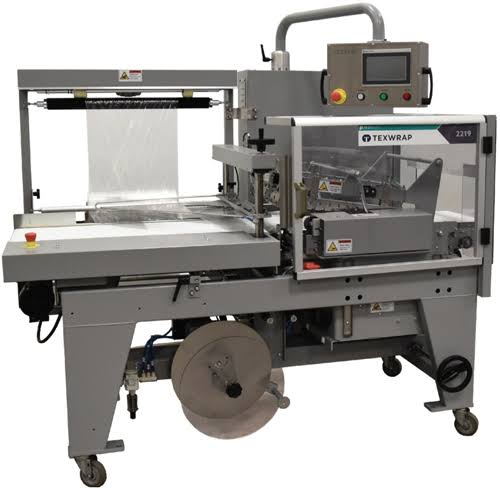
Packaging equipment is a vital component of modern manufacturing and distribution facilities, where efficiency, consistency, and reliability directly impact productivity. Shrink wrapping systems, in particular, help protect products during storage and transportation while improving package presentation. To keep these systems operating at peak performance, regular maintenance and timely replacement of wear components are essential. A well-maintained Texwrap machine can reduce downtime, improve sealing quality, and extend equipment life.
Whether used in food processing, pharmaceuticals, consumer goods, or e-commerce fulfillment, a Texwrap machine is designed to handle demanding production environments with speed and precision. However, like any industrial equipment, it performs best when supported by preventive maintenance and proper servicing. Texwrap manufactures automatic shrink wrappers, bundlers, tunnels, and conveyor systems designed for long-term industrial use across multiple industries.
What Is a Texwrap Machine?
A Texwrap machine is an automated packaging system used to wrap products in shrink film before they pass through a heat tunnel that creates a secure, professional package. These machines are available in several configurations to accommodate different production requirements.
Common equipment includes:
- Side seal wrappers
- L-bar sealers
- Vertical seal wrappers
- Shrink tunnels
- Shrink bundlers
- Conveyor systems
These systems are designed to improve packaging speed, consistency, and product protection while reducing manual labor.
Benefits of Using Automated Shrink Wrapping Equipment
Modern shrink wrapping equipment offers several operational advantages.
Using a Texwrap machine can help businesses:
- Improve packaging consistency
- Increase production speed
- Reduce material waste
- Minimize manual handling
- Enhance product protection
- Lower long-term operating costs
Automation also helps produce uniform packaging while improving workflow throughout the production line.
Why Preventive Maintenance Is Essential
Routine maintenance helps prevent unexpected equipment failures while maximizing production efficiency.
Recommended maintenance tasks include:
- Cleaning sealing assemblies
- Inspecting conveyor belts
- Checking drive systems
- Verifying heater performance
- Monitoring sensors
- Tightening hardware
- Lubricating moving components where applicable
Following a preventive maintenance schedule can significantly reduce costly production interruptions. Texwrap also recommends keeping equipment serviced and obtaining technical support and replacement components when needed.
Common Wear Components
Every packaging system contains components that naturally wear during continuous operation.
Some commonly replaced components include:
- Springs
- Belts
- Rollers
- Bearings
- Heating elements
- Seal blades
- Sensors
- Drive motors
Replacing worn components before failure occurs helps maintain consistent packaging quality while reducing downtime.
The Importance of Parts of Machines
Proper maintenance of parts of machines is one of the most effective ways to ensure reliable packaging performance. Even a relatively small component, such as a spring, bearing, or sensor, can affect machine accuracy, film handling, and sealing consistency if it becomes worn or damaged.
Keeping replacement components readily available provides several benefits:
- Faster repairs
- Reduced downtime
- Improved production efficiency
- Better equipment reliability
- Longer machine lifespan
Many maintenance teams maintain an inventory of frequently replaced wear parts to minimize disruptions during scheduled or emergency repairs.
Common Causes of Equipment Downtime
Several issues can affect shrink wrapping performance if routine maintenance is overlooked.
Common causes include:
- Worn springs
- Damaged conveyor belts
- Misaligned film guides
- Dull sealing blades
- Sensor failures
- Heating inconsistencies
- Poor lubrication
Early identification of these issues helps maintenance teams avoid unexpected breakdowns and maintain production efficiency.
Best Practices for Long-Term Performance
Organizations can maximize the lifespan of their packaging equipment by following several maintenance best practices.
These include:
- Following manufacturer maintenance schedules
- Inspecting wear components regularly
- Cleaning equipment after production
- Replacing damaged components promptly
- Training machine operators
- Recording maintenance activities
A structured preventive maintenance program improves equipment reliability while supporting consistent production output.
Choosing Replacement Components
When replacing packaging equipment components, compatibility and quality are important considerations.
Maintenance teams should verify:
- Correct part numbers
- Machine model compatibility
- Material specifications
- Installation requirements
- Maintenance intervals
Using properly matched replacement components helps maintain machine performance and reduces the risk of premature equipment failure.
Supporting Efficient Packaging Operations
Reliable packaging equipment contributes to smoother production by improving workflow and minimizing interruptions. Combined with routine inspections and timely servicing, automated shrink wrapping systems can continue operating efficiently for many years while maintaining high packaging standards.
Investing in preventive maintenance also helps reduce repair costs and improves the overall return on packaging equipment investments.
Conclusion
A Texwrap machine is a dependable solution for businesses seeking efficient, high-quality shrink wrapping and packaging automation. Through regular inspections, preventive maintenance, and timely replacement of wear components, organizations can improve machine reliability, reduce downtime, and maintain consistent packaging quality. Regular inspection and replacement of parts of machines are essential for maintaining optimal packaging performance and extending the service life of industrial equipment. Establishing a proactive maintenance strategy allows packaging systems to operate efficiently while supporting long-term production goals.
