
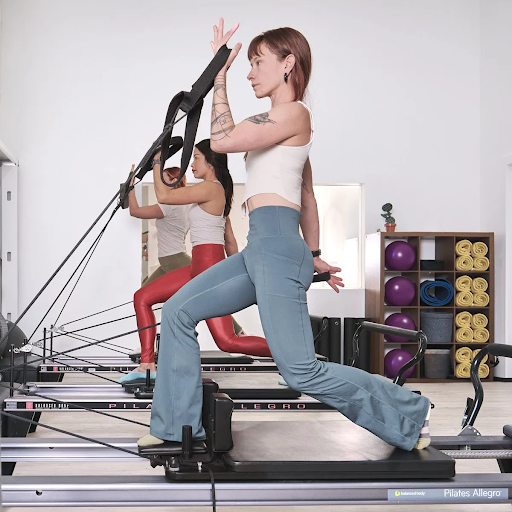
Pilates has developed from a specialized movement method into a widely practiced form of exercise, making qualified instructors increasingly important in studios, fitness facilities, rehabilitation settings, and private training environments. For aspiring instructors, choosing the right education involves more than finding a short course. A strong program should cover anatomy, movement principles, exercise technique, teaching skills, and practical experience. Those researching Pilates certification in Albuquerque should understand what comprehensive training involves and how certification can support a professional teaching pathway.
What Is Pilates Teacher Training?
Pilates teacher training is an educational process designed to prepare students to instruct Pilates exercises safely and effectively. Depending on the program, training may cover mat exercises, Reformer work, Cadillac, Wunda Chair, barrels, anatomy, assessment, cueing, modifications, and teaching methodology.
A comprehensive program goes beyond learning how to perform exercises. Students learn why movements are performed, how to observe clients, how to communicate instructions, and how to adapt exercises for different abilities.
BASI Pilates, for example, describes its Comprehensive Teacher Training Program as covering Pilates theory, exercises, and teaching skills across equipment including the Reformer, Cadillac, Wunda Chair, Ladder Barrel, Spine Corrector, Ped-a-Pul, and Mat.
What Does Pilates Certification Usually Involve?
The requirements for certification vary by organization and program. Some courses focus primarily on mat instruction, while comprehensive programs provide education across multiple apparatus.
A comprehensive BASI pathway includes 12 modules covering lecture, discussion, exercise analysis, and practice. Its certification requirements also include self-practice, observation, practice teaching, written examinations, a student paper, teaching assessment, and practical examination.
This illustrates why prospective instructors should examine the complete curriculum instead of comparing programs based solely on course duration.
Why Is Anatomy Important?
Anatomy is a fundamental component of quality Pilates instruction. Teachers need to understand how muscles, joints, bones, and movement patterns interact during exercises.
Anatomical knowledge can help instructors identify alignment issues, explain movement more clearly, and select appropriate modifications. It can also help teachers understand when an exercise may need to be changed because of a participant’s limitations.
However, Pilates instructors should understand the boundaries of their professional role. A teacher’s training does not automatically qualify them to diagnose medical conditions or replace licensed healthcare professionals.
What Is Covered in Comprehensive Training?
Someone considering Pilates certification in Albuquerque should look for a program that combines theoretical knowledge with practical instruction.
Important areas may include:
Pilates Principles
Students typically learn foundational concepts such as breathing, concentration, control, centering, precision, and flowing movement.
Matwork
Mat exercises provide a foundation for understanding core Pilates concepts and movement patterns. Students learn exercise sequencing, modifications, transitions, and teaching cues.
Reformer Training
The Reformer introduces springs, straps, a moving carriage, and adjustable resistance. Instructor education should cover both exercise execution and safe equipment setup.
Additional Apparatus
Comprehensive programs may introduce equipment such as the Cadillac, Wunda Chair, barrels, and other apparatus. Learning different pieces of equipment expands an instructor’s ability to create varied programs.
Teaching Methodology
Knowing an exercise is different from knowing how to teach it. Students need practice giving verbal cues, demonstrations, corrections, and modifications.
Why Is Practical Experience Important?
Practical experience allows students to apply theoretical knowledge in real teaching situations.
Observation can help students see how experienced instructors organize sessions, communicate with clients, and respond to different movement patterns. Practice teaching then provides opportunities to develop confidence and refine cueing skills.
BASI’s comprehensive certification pathway includes 200 hours of self-practice, 100 hours of observation, and 200 hours of practice teaching, in addition to examinations and assessments.
These requirements demonstrate the substantial practice involved in comprehensive instructor education.
Is Certification the Same as Taking a Pilates Class?
No. Participating in Pilates classes and completing instructor education are fundamentally different experiences.
A regular class focuses on the participant’s own movement practice. Teacher training focuses on developing the knowledge and skills necessary to guide other people.
An instructor must learn how to analyze movement, communicate instructions, manage equipment, adapt exercises, and recognize when an exercise may not be appropriate.
Someone who enjoys Pilates personally may therefore need significant additional education before becoming a professional instructor.
What Should You Look for in a Certification Program?
When comparing Pilates certification in Albuquerque, prospective students should evaluate several factors.
Curriculum Depth
Review whether the program covers only matwork or provides comprehensive apparatus training.
Anatomy Education
Look for sufficient instruction in anatomy and movement analysis rather than focusing exclusively on exercise memorization.
Practice Teaching
Hands-on teaching experience is essential for developing communication and observation skills.
Assessment
Examinations and practical assessments can provide a structured way to evaluate whether students have understood the material.
Instructor Experience
Research the educators leading the training. Their teaching experience and professional background can influence the quality of instruction.
Certification Pathway
Understand exactly what certificate or qualification is awarded and whether the training prepares graduates for additional industry examinations.
BASI states that graduates of its Comprehensive Program are qualified to take the Pilates Method Alliance exam to become a Nationally Certified Pilates Teacher, now administered through the National Pilates Certification Program.
Can Beginners Become Pilates Instructors?
Previous Pilates experience can be useful, but the eligibility requirements depend on the training organization.
Beginners should carefully review prerequisites before enrolling. Some comprehensive programs may expect students to have a foundation in Pilates practice, while others may offer introductory education before teacher training.
Regardless of starting level, students should be prepared for significant independent practice and study. Becoming a capable instructor requires more than completing classroom hours.
What Career Opportunities Can Certification Support?
A Pilates certification can provide a foundation for teaching in several settings. Depending on qualifications, experience, and local requirements, instructors may work in Pilates studios, fitness centers, wellness facilities, private training environments, or multidisciplinary movement settings.
Some instructors specialize in particular populations, such as athletes, dancers, older adults, or individuals seeking general fitness.
Career opportunities depend on experience, additional qualifications, local employment conditions, and the requirements of individual studios.
How Does Continuing Education Help?
Initial certification is only one stage of professional development. Pilates instructors can continue studying anatomy, movement science, specialized populations, teaching techniques, and different apparatus.
Continuing education can also help instructors stay current with professional standards and develop specialized areas of expertise.
For instructors who want long-term careers in movement education, ongoing learning can be as important as the initial certification.
Why Consider Local Training?
Students researching Pilates certification in Albuquerque may benefit from choosing a program that provides accessible in-person practice and opportunities to connect with the local movement community.
In-person training allows students to work directly with equipment, observe instructors, practice teaching, and receive immediate feedback.
A local program can also make it easier to build professional relationships with other instructors and studios in the area.
Conclusion
Pilates certification in Albuquerque can provide aspiring instructors with a structured pathway into professional Pilates teaching, particularly when training combines anatomy, movement principles, equipment education, observation, practice teaching, and formal assessment. Prospective students should compare curriculum depth, prerequisites, practical requirements, instructor qualifications, certification standards, and opportunities for continued education before enrolling. The Movement Temple can be researched by Albuquerque residents interested in Pilates education and a broader movement-focused environment. Choosing a comprehensive training pathway can help students develop the technical knowledge, teaching confidence, and practical experience needed to build a strong foundation as Pilates instructors.
