
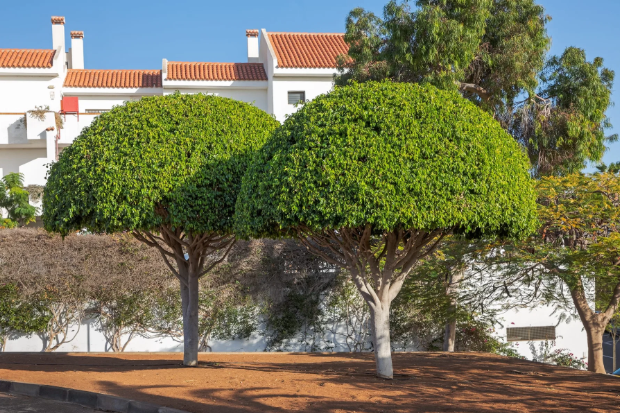
Creating a beautiful and functional landscape often starts with choosing the right trees. Evergreen trees are especially valuable because they provide year-round greenery, shade, and structure to outdoor spaces. Among the many landscaping options available, Ficus Nitida has become a popular choice for homeowners, landscapers, and property managers looking for a durable and attractive tree that can enhance gardens, commercial areas, and privacy landscapes.
Also known as Indian Laurel Fig or Ficus microcarpa ‘Nitida’, this evergreen tree is recognized for its glossy green foliage, dense canopy, and adaptability to warm climates. It can be used as a shade tree, privacy screen, or decorative landscape feature when planted in suitable conditions. Plant Clearance offers Ficus Nitida trees and hedge varieties grown for landscape applications, including privacy screens and outdoor structures.
What Is Ficus Nitida?
Ficus Nitida is an evergreen tree from the fig family that is widely used in landscaping due to its attractive appearance and reliable growth habits. It develops dense foliage and can be shaped through regular pruning, making it suitable for both natural and formal landscape designs.
This tree is commonly used for:
- Residential landscaping
- Privacy hedges
- Commercial properties
- Walkways and outdoor spaces
- Shade planting
Its ability to maintain green foliage throughout the year makes it a preferred option for landscapes where consistent coverage is desired.
Benefits of Growing Ficus Nitida
Choosing the right tree involves understanding its benefits and how it fits into your outdoor space.
Provides Year-Round Greenery
One of the biggest advantages of this evergreen tree is its ability to maintain foliage throughout the seasons. Its glossy leaves create a clean and polished appearance that enhances landscape designs.
Creates Natural Privacy Screens
Because of its dense growth pattern, Ficus Nitida can be used to create effective privacy barriers. When planted and maintained correctly, it can form thick green walls that reduce visibility and add separation between outdoor areas.
Offers Shade and Structure
A mature tree can provide valuable shade for patios, gardens, and outdoor living spaces. Its broad canopy also adds structure and depth to landscape layouts.
Handles Warm Climates Well
Ficus Nitida performs well in areas with warm temperatures and can adapt to full sun conditions when properly established. It is commonly selected for landscapes in regions with hot weather and urban environments.
Ficus Nitida as a Privacy Hedge
Many homeowners choose Ficus Nitida because of its ability to create dense hedges. With regular trimming, the tree can maintain a controlled shape while developing thick foliage.
When used as a hedge, it can help:
- Define property boundaries
- Improve outdoor privacy
- Reduce visual distractions
- Create a structured landscape appearance
Spacing is an important consideration when planting hedge rows. Proper distance between plants allows healthy root development while encouraging dense growth over time. PlantClearance recommends spacing hedge plants appropriately to create a full and healthy privacy screen.
How to Plant Ficus Nitida Successfully
Proper planting plays an important role in helping trees establish strong roots.
Choose the Right Location
Select an area with:
- Full sun to partial shade
- Well-draining soil
- Enough space for mature growth
A suitable location allows the tree to develop naturally without competing with structures or other plants.
Prepare the Soil
Before planting, prepare the soil by improving drainage and creating a healthy environment for root growth.
Water During Establishment
Newly planted trees require consistent watering while their root systems develop. Once established, watering needs may decrease depending on climate and soil conditions.
Add Mulch
Mulching around the base of the tree can help maintain soil moisture and regulate temperature. Avoid placing mulch directly against the trunk.
Caring for Ficus Nitida
Although Ficus Nitida is considered a low-maintenance landscape option, regular care helps maintain its appearance.
Pruning
Regular pruning encourages dense growth and helps maintain the desired size and shape. This is especially important when using the tree as a hedge.
Fertilizing
Balanced fertilization during active growing seasons can support healthier foliage and stronger development.
Monitoring Plant Health
Regular inspections help identify issues such as leaf discoloration, pests, or growth problems before they become serious.
Choosing Quality Plants for Your Landscape
The quality of the plant you select can influence long-term landscape success. Healthy nursery-grown trees typically have stronger root systems and better establishment potential compared with poorly maintained plants.
When searching for a nursery near me, homeowners should consider factors such as plant quality, growing conditions, available varieties, and professional guidance. Selecting plants from a reliable source can help ensure better results after installation.
Ficus Nitida vs Other Privacy Trees
There are many options available for creating privacy landscapes, but Ficus Nitida stands out because of its combination of:
- Evergreen foliage
- Fast growth potential
- Pruning flexibility
- Attractive appearance
- Landscape versatility
It can work well alongside other plants to create layered outdoor designs with different heights and textures.
Conclusion
Ficus Nitida is a versatile evergreen tree that provides beauty, shade, and privacy for a variety of landscapes. Its dense foliage, adaptability, and ability to be shaped make it a valuable choice for homeowners and professionals looking to improve outdoor spaces. For gardeners looking to add quality greenery to their property, finding a trusted nursery near me can make the process easier by providing access to healthy trees and expert planting guidance. Choosing healthy plants and providing proper care are important steps toward long-term success.
