
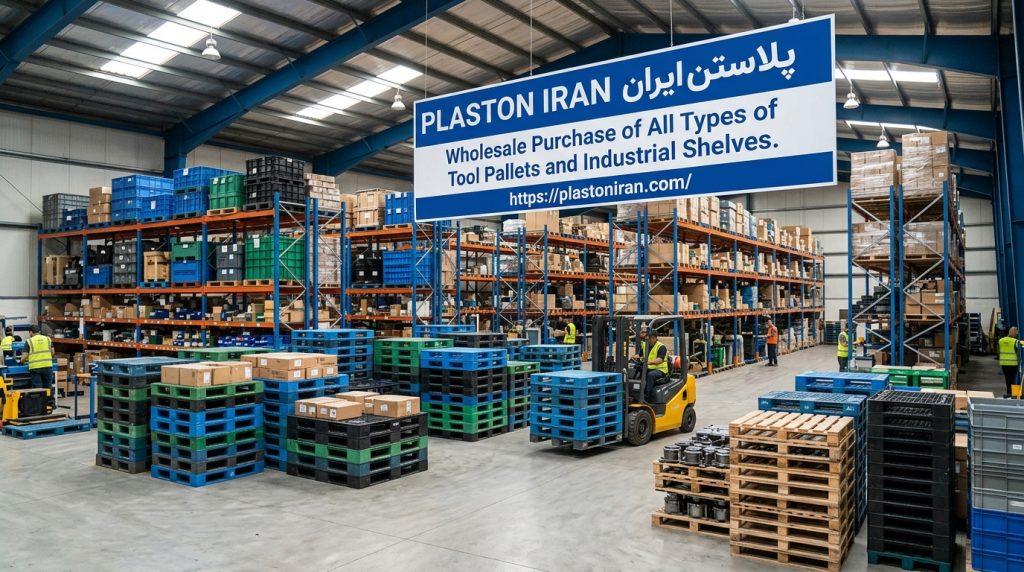
In any fast-paced industrial setting, manufacturing plant, or commercial workshop, efficiency forms the backbone of operational success. Lost time spent searching for misplaced components, inventory damaged through improper handling, and cluttered workspaces directly diminish your bottom line.
Implementing a structured organizational framework is one of the highest-return investments a facility manager can make. Among the most reliable solutions available today are engineered plastic storage systems designed to maximize vertical space, streamline daily workflows, and protect valuable assets.
Why Modern Facilities Rely on Industrial Plastic Solutions
For decades, metal racks and wooden crates dominated industrial logistics. Today, high-performance polymers have reshaped warehouse and inventory control. Engineered plastic units offer several distinct operational benefits over legacy materials:
- Durability and Load-Bearing Strength: High-density polyethylene (HDPE) and polypropylene resist severe impacts, heavy weight, and mechanical stress without denting, bending, or splitting.
- Chemical and Environmental Resistance: Unlike metal, plastic will not rust or corrode when exposed to oils, cutting fluids, or high ambient humidity, ensuring long-term utility in harsh environments.
- Hygienic Surface Control: Non-porous materials prevent dirt accumulation and simplify cleaning, making them well-suited for electronics assembly, automotive repair, and precision engineering environments.
- Ergonomic Safety: Lightweight design reduces physical fatigue during manual handling and inventory transfers, contributing to lower workplace injury rates.
Optimizing Inventory with the Right Plastic Storage Bin
Managing small parts, fasteners, and sensitive electronic hardware is frequently where warehouse organization encounters friction. Unstructured storage leads to stock misplacement, inaccurate inventory audits, and delayed assembly cycles.
Integrating a versatile Plastic storage bin system establishes an accessible, highly organized inventory grid. These storage units come in multiple functional configurations—including stackable units, space-saving nesting designs, and wall-mountable louvred panel setups—enabling customized layouts tailored to your floor plan.
| Storage Metric | Traditional Loose Storage | Systematic Bin Storage |
| Retrieval Speed | Slow (Manual searching required) | Fast (Visual identification & labeled slots) |
| Space Utilization | High floor footprint | Optimized vertical stacking |
| Inventory Tracking | High risk of stockouts | Immediate visual stock monitoring |
| Component Protection | Prone to dust & accidental damage | Shielded, reinforced containment |
Core Design Characteristics for Heavy-Duty Bin Selection
When choosing parts bins for intensive industrial applications, look for these architectural features:
- Reinforced Outer Walls: Prevents structural bowing when bins are stacked high under heavy part loads.
- Integrated Card Slots: Allows clear labeling using barcodes, part numbers, or color codes for instant item location.
- Hopper Front Openings: Enables easy hand access to retrieve contents even while bins are actively stacked in multi-tier configurations.
Streamlining Workshop Workflows with Ergonomic Tool Pallets
While open bins are ideal for bulk hardware, specialized equipment, hand tools, and precision instruments require dedicated containment to prevent wear and preserve calibrated accuracy. Systematic tool organization ensures every item has a fixed location.
Deploying a specialized پالت ابزار across production lines and technician benches ensures that critical tools remain secure, damage-free, and instantly reachable during production.
Supporting Lean Manufacturing (5S Principles)
The 5S Methodology—Sort, Set in order, Shine, Standardize, Sustain—relies heavily on clear visual control and modular workplace layouts. Specialized tool pallets support 5S compliance in several key ways:
- Sort & Set in Order: Dedicated slots give every tool a specific home. Technicians can instantly spot if an item is missing at the end of a shift, preventing tool loss.
- Standardize Workstations: Identical storage setups across multiple work bays enable staff to transition between stations without loss of operational speed.
- Sustain Discipline: Intuitive, clear storage systems encourage employees to maintain organization naturally throughout daily operations.
Direct Sourcing: Maximizing Quality, Safety, and Cost Efficiency
Upgrading facility hardware requires reliable sourcing from trusted manufacturers to guarantee long-term performance. Direct procurement ensures strict quality control while avoiding intermediary distribution costs.
Suppliers such as Plaston Iran specialize in engineering and supplying complete ranges of industrial tool pallets, heavy-duty tool boxes, and modular storage racks. Buying directly from primary producers offers key operational advantages:
- Factory-Direct Pricing: Direct purchasing eliminates vendor markups, maximizing value on volume procurement.
- Rigorous Quality Standards: Products manufactured from high-grade raw polymers withstand daily wear in demanding industrial settings.
- Comprehensive Logistics Support: Nationwide shipping capabilities keep facility upgrades and expansions on schedule without costly operational downtime.
Strategic Takeaways for Facility Leaders
Transitioning to systematic industrial storage goes far beyond aesthetics—it directly influences productivity, employee safety, and order fulfillment accuracy. By introducing heavy-duty storage bins and ergonomic tool pallets into your daily workflow, you eliminate wasted motion, safeguard equipment investments, and build a streamlined operational foundation.
