
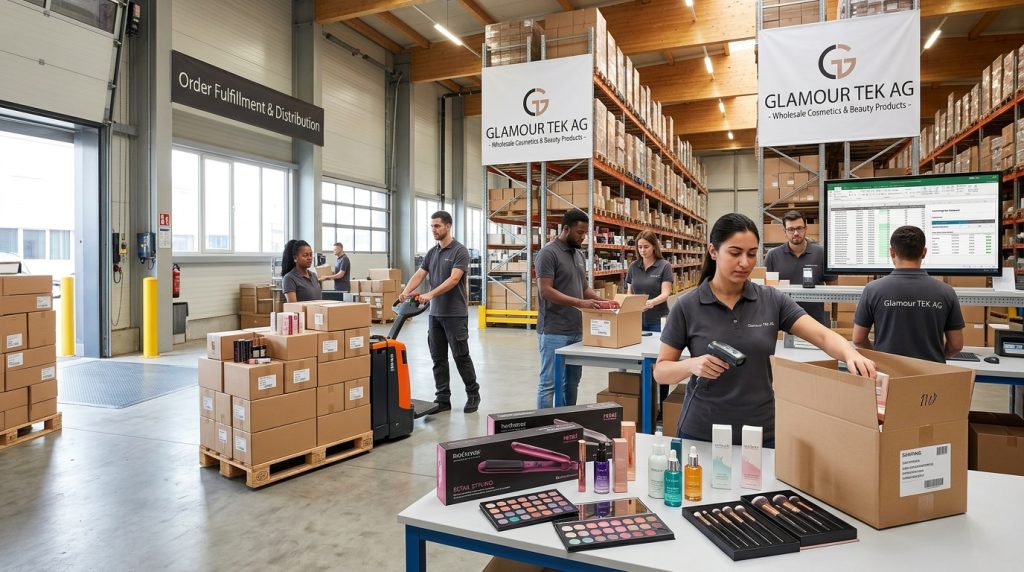
The global beauty market continues to experience unprecedented momentum. Driven by rapid digital discovery, evolving consumer expectations, and a steady stream of formulation breakthroughs, the industry offers immense opportunities for retail brands, salon operators, and e-commerce entrepreneurs. However, navigating this expanding landscape requires far more than merely keeping shelves stocked—it demands a resilient, high-efficiency supply chain built on trust, product authenticity, and strong profit margins.
For modern beauty enterprises, traditional multi-layered procurement models are becoming increasingly obsolete. Fragmented supplier networks often introduce hidden markups, unpredictable shipping delays, and inventory inconsistency. To achieve sustainable long-term scale, businesses must shift toward direct, consolidated wholesale partnerships that align commercial value with product excellence.
The Strategic Value of Direct B2B Beauty Sourcing
In any retail or distribution model, inventory strategy directly shapes the bottom line. Relying on complex middleman networks compresses gross margins and exposes businesses to stockout risks during peak shopping periods. Centralizing procurement through a trusted primary distributor provides immediate competitive advantages:
- Secured Gross Margins: Buying directly in volume lowers cost-per-unit metrics, allowing retailers to offer competitive pricing while preserving healthy profitability.
- Predictable Replenishment: Streamlined supply lines minimize backorders, ensuring consistent inventory availability across high-demand categories.
- Guaranteed Product Authenticity: Direct-from-source distribution eliminates the risk of counterfeit or compromised formulations entering your retail channels.
Leveraging direct partnerships for wholesale cosmetics products provides beauty businesses with a reliable foundation to streamline ordering, mitigate supply disruptions, and scale operations smoothly.
Building a Well-Balanced Retail Beauty Catalog
A successful beauty portfolio strikes a delicate balance between evergreen staples that generate steady recurring revenue and trend-driven collections that boost foot traffic and online engagement. A robust product offering typically spans four key pillars:
1. Advanced Skincare Formulations
Skincare remains the highest-retention segment in personal care. Modern consumers actively look for active, results-focused ingredients like hyaluronic acid, niacinamide, vitamin C, and botanical extracts. Carrying a complete range of serums, daily moisturizers, gentle cleansers, and broad-spectrum sun care ensures high customer lifetime value.
2. High-Performance Color Cosmetics
Driven by social video trends and seasonal shifts, color cosmetics demand rapid stock turnaround. A comprehensive inventory should feature long-wear foundations, versatile eyeshadow palettes, high-pigment lip products, and setting powders designed for diverse skin tones.
3. Signature Fragrance Lines
Fragrances deliver excellent margin potential and serve as strong gift-category drivers. Offering a balanced mix of light florals, fresh citrus, rich woods, and contemporary unisex scents helps retailers capture sales across varied customer demographics.
4. Essential Beauty Tools & Accessories
Application tools serve as ideal cross-selling add-ons at checkout. High-quality makeup brushes, ergonomic blending sponges, skincare massage tools, and storage solutions boost average order value (AOV) with minimal inventory risk.
Smart Sourcing vs. Discount Hunting: Choosing the Right Partner
When expanding a beauty enterprise, it can be tempting to prioritize lower upfront prices above all else. However, ultra-low-cost inventory often comes with hidden risks, including near-expiry stock, unverified ingredient lists, or unreliable shipping timelines that harm customer trust.
Instead of searching solely for cheap cosmetic products wholesale, smart business owners focus on overall value—balancing competitive wholesale pricing with guaranteed product safety, brand authenticity, and logistical reliability.
When evaluating prospective wholesale partners, assess these four critical factors:
- Catalog Quality & Diversity: Does the distributor offer a broad range of trend-aligned products and established brands across multiple price tiers?
- Safety & Regulatory Compliance: Are all formulations sourced transparently and compliant with international safety standards?
- Fulfillment & Shipping Speed: Can the distributor handle volume orders efficiently with clear, trackable delivery schedules?
- Operational Support: Does the partner provide clear inventory data, flexible tiering, and responsive communication?
Operational Strategies to Maximize Retail Growth
To turn efficient supply chain management into sustainable enterprise growth, beauty operators should execute three core strategies:
Data-Driven Stock Planning: Use historical sales data and seasonal demand trends to establish smart reorder points, preventing tied-up capital in slow-moving items.
Integrated Product Marketing: Present clear ingredient highlights and high-quality visual content across physical displays and digital storefronts to boost customer conversion.
Strategic Tiered Purchasing: Structure reorders around distributor volume thresholds to unlock maximum discounts, reinvesting the savings into targeted customer acquisition campaigns.
By combining reliable B2B distribution with disciplined inventory management, modern beauty brands can achieve lasting profitability, strong customer retention, and sustainable business expansion.
