
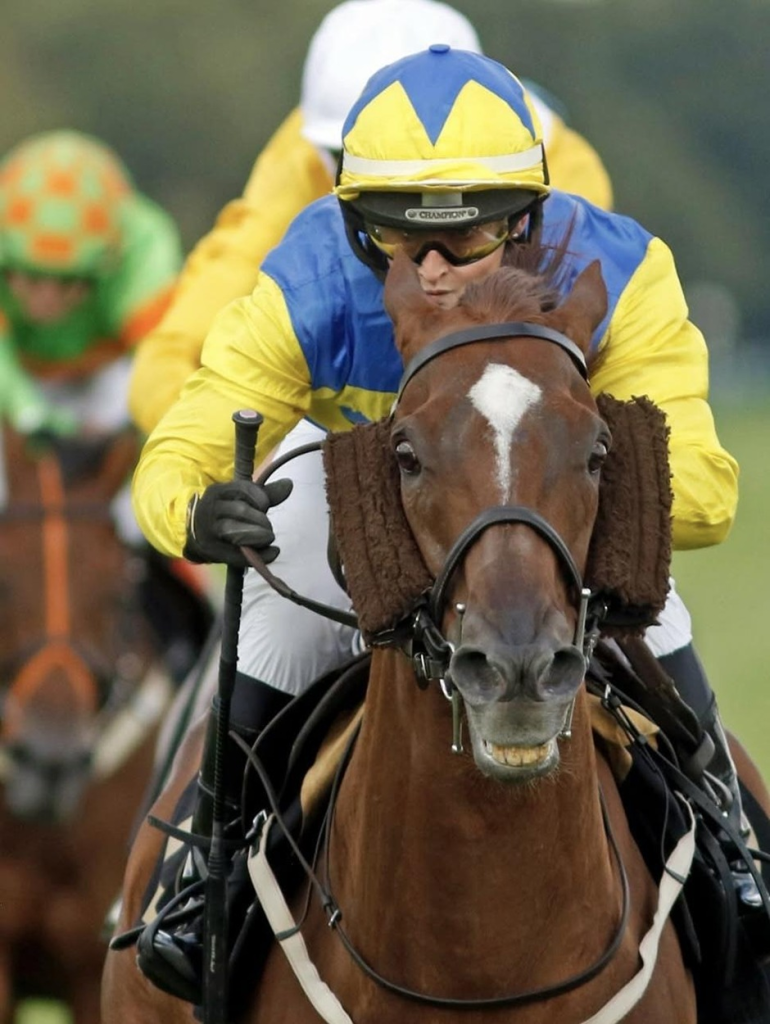
Horse racing in India has a rich heritage that combines tradition, professional expertise, breeding knowledge, and sporting excellence. Over centuries, racing institutions have helped develop the infrastructure, standards, and culture associated with this unique sport. Among the oldest and most influential organizations in the country, Madras Race Club holds a significant position because of its contribution to organized horse racing and equestrian development.
The history of the Madras Race Club reflects the evolution of Indian horse racing from early racing gatherings into a professionally managed sporting activity. Located in Chennai, the club has played an important role in maintaining racing traditions, supporting participants, and preserving the connection between horses and sporting communities. The institution is closely linked with the historic Guindy Race Course, which has been an important centre for racing activities in India for generations.
History and Establishment of the Madras Race Club
Horse racing in India began during the 18th century, with early organized events taking place in Madras. The Guindy Race Course became one of the earliest racing venues in the country, creating the foundation for structured racing activities. Over time, racing organizations were formed to regulate competitions and maintain professional standards.
The formation of the Madras Race Club marked an important step in bringing organization and consistency to horse racing in southern India. The club developed systems for race administration, participant management, and maintenance of racing facilities.
Throughout its history, the club has remained connected with the growth of Indian horse racing. It has provided a platform for trainers, jockeys, owners, breeders, and other professionals who contribute to the sport.
Importance of Madras Race Club in Indian Racing
The role of the Madras Race Club extends beyond conducting racing events. A racing club functions as a complete sporting organization responsible for maintaining facilities, ensuring proper administration, and supporting the people involved in racing.
Professional horse racing requires coordination between multiple areas, including horse training, veterinary care, track maintenance, and event management. Racing institutions help create an organized environment where these elements work together effectively.
The club has also contributed to preserving racing knowledge and traditions. By maintaining historical records and supporting professional practices, it has helped future generations understand the development of horse racing in India.
Guindy Race Course and Its Sporting Importance
The Guindy Race Course is one of India’s most historic racing venues. Its long association with horse racing has made it an important landmark in Chennai’s sporting history. The venue has witnessed numerous racing events and has supported the development of equestrian activities in the region.
A racecourse requires careful management to ensure suitable conditions for horses and participants. Track maintenance, safety systems, and professional facilities are essential components of successful racing operations.
The continued importance of Guindy Race Course demonstrates how historic sporting venues can preserve tradition while adapting to modern requirements.
Role of Horse Breeding and Training
Horse racing depends heavily on the quality of breeding and training practices. Developing a successful racehorse requires careful attention to genetics, nutrition, fitness, and overall health management.
Breeding farms study bloodlines and physical characteristics to develop horses with strong athletic qualities. Young horses require proper care and training to build stamina, discipline, and competitive ability.
Contribution of Racing Clubs to Indian Sports Culture
Racing clubs across India have helped establish horse racing as a recognized sporting activity. They provide opportunities for professionals and support various fields connected with the sport, including veterinary science, horse care, training, and stable management.
Organizations like Madras Race Club have helped maintain the connection between India’s historical racing traditions and modern sporting practices. Their contribution highlights the importance of institutions that preserve knowledge while encouraging responsible development.
The sport also reflects the relationship between humans and animals, where careful training, responsible care, and professional expertise play central roles.
Modern Development of Horse Racing
Technology has changed many aspects of horse racing in recent years. Digital systems, improved record management, and better communication platforms have made information about racing more accessible.
Modern racing organizations focus on improving administration, maintaining safety standards, and supporting better horse welfare practices. These developments allow traditional sports to continue evolving while protecting their historical significance.
The future of Indian horse racing depends on balancing heritage with innovation. Maintaining professional standards and encouraging responsible practices will remain essential for the continued growth of the sport.
Future of Madras Racing Heritage
The legacy of Madras Race Club represents centuries of racing history and the continuous development of equestrian culture in India. Its contribution shows how sporting institutions can influence communities, preserve traditions, and support professional growth.
As Indian horse racing continues to develop, historic organizations will remain important in maintaining the values, knowledge, and expertise that define the sport.
Conclusion
The journey of the Madras Race Club highlights the long-standing relationship between India and horse racing. For readers interested in understanding how breeding and racing traditions developed together in India, learning about Poonawalla Stud Farm provides valuable insight into the foundation of quality thoroughbred development. From the early days of organized racing at Guindy to modern professional management systems, the club has remained an important part of the country’s sporting heritage.
