
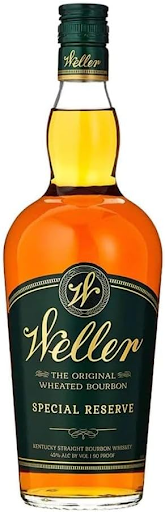
Bourbon is one of America’s most celebrated spirits, admired for its rich history, traditional craftsmanship, and distinctive flavor. Among the many categories available, Kentucky straight bourbon whiskey is widely recognized as a benchmark for quality and authenticity. While many people are familiar with bourbon, fewer understand what the terms “Kentucky” and “straight” actually mean and why they matter.
Produced under strict legal standards, Kentucky straight bourbon whiskey represents a combination of heritage, craftsmanship, and regulated production methods. The designation guarantees that the bourbon has met specific requirements regarding ingredients, aging, and production location, giving consumers confidence in its quality and authenticity. According to the Kentucky Distillers’ Association, Kentucky straight bourbon must meet all federal standards for straight bourbon while also being distilled in Kentucky and aged in the state as required by law.
What Is Kentucky Straight Bourbon Whiskey?
Kentucky straight bourbon whiskey is a legally protected category of American whiskey that must satisfy both federal bourbon regulations and Kentucky-specific production requirements.
To qualify, it generally must:
- Be produced in the United States
- Contain at least 51% corn in the mash bill
- Be distilled to no more than 160 proof
- Be aged in new charred oak barrels
- Be bottled at a minimum of 80 proof
- Be aged for at least two years to qualify as “straight”
- Be distilled in Kentucky and meet Kentucky labeling requirements
These standards help preserve consistency while maintaining the reputation of Kentucky bourbon worldwide.
How Kentucky Straight Bourbon Whiskey Is Made
The production of Kentucky straight bourbon whiskey follows a carefully controlled process that has remained largely unchanged for generations.
Grain Selection
Every bourbon begins with a mash bill containing at least 51% corn. Rye or wheat and malted barley are commonly added to create different flavor profiles.
Fermentation
The cooked grains are mixed with water and yeast, converting natural sugars into alcohol while developing complex flavor compounds.
Distillation
The fermented mash is distilled to concentrate the alcohol while retaining the character of the grains.
Barrel Aging
The new spirit is placed into brand-new charred oak barrels, where it matures over time. During aging, the bourbon develops its amber color along with notes of vanilla, caramel, spice, and toasted oak.
The interaction between the whiskey and the charred wood is one of the defining characteristics of bourbon production.
What Does “Straight” Mean?
Many consumers assume “straight” is simply a marketing term, but it has a precise legal meaning.
For a bourbon to be labeled Kentucky straight bourbon whiskey, it must:
- Be aged for at least two years
- Contain no added coloring or flavoring
- Meet all federal standards for straight bourbon whiskey
If the bourbon is aged for less than four years, the bottle must also display an age statement.
Common Flavor Profile
The flavor of Kentucky straight bourbon whiskey varies depending on the mash bill, barrel selection, warehouse conditions, and aging period.
Common tasting notes include:
- Vanilla
- Caramel
- Honey
- Brown sugar
- Toasted oak
- Baking spices
- Roasted nuts
- Dried fruit
Longer aging often produces richer oak character and deeper complexity while maintaining bourbon’s signature sweetness.
Ways to Enjoy Kentucky Straight Bourbon Whiskey
There are several popular ways to appreciate bourbon.
Neat
Serving bourbon neat allows drinkers to experience its complete aroma and flavor profile without dilution.
With Water
Adding a few drops of water may help release additional aromas and soften higher-proof expressions.
On the Rocks
Ice gradually chills the bourbon while slightly mellowing the flavor.
Classic Cocktails
Kentucky straight bourbon whiskey is commonly used in timeless cocktails such as:
- Old Fashioned
- Manhattan
- Whiskey Sour
- Mint Julep
- Boulevardier
Its balanced sweetness and oak character make it highly versatile for mixology.
Tips for Choosing a Quality Bourbon
When selecting a bottle, consider several important factors.
- Review the age statement if provided.
- Learn about the mash bill.
- Compare proof levels.
- Understand barrel-aging styles.
- Choose based on your preferred flavor profile.
- Purchase from reputable retailers.
Sampling different expressions helps develop a better understanding of how production methods influence flavor.
Why Kentucky Remains the Heart of Bourbon
Kentucky has earned its reputation as the center of bourbon production due to its favorable climate, limestone-filtered water, abundant grain supply, and centuries of distilling tradition. Seasonal temperature changes encourage interaction between the whiskey and oak barrels, contributing to the rich flavors associated with Kentucky bourbon. Today, the state continues to produce the majority of the world’s bourbon while preserving traditional production techniques alongside modern innovations.
Conclusion
With its strict production standards, rich heritage, and exceptional craftsmanship, Kentucky straight bourbon whiskey continues to represent one of the finest traditions in American distilling. From carefully selected grains to years of barrel maturation, every stage of production contributes to its distinctive flavor and lasting reputation. Readers interested in exploring premium bourbon selections and expanding their knowledge of fine spirits can also discover RV Drinks. Whether enjoyed neat or in a classic cocktail, understanding how this iconic spirit is made can enhance appreciation for every pour.
