
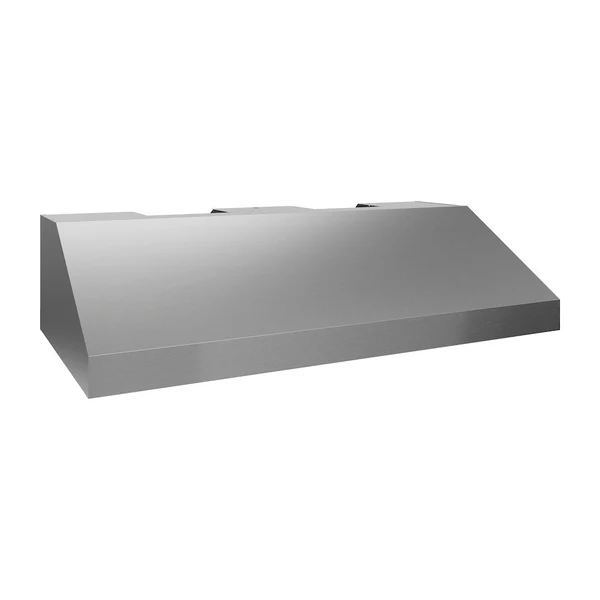
A functional kitchen requires more than stylish cabinets and high-quality appliances. Proper ventilation is essential for maintaining indoor air quality, controlling moisture, and removing smoke and cooking odors. Among the most practical ventilation options available today, under cabinet range hoods offer an excellent balance of performance, space efficiency, and modern design. Their compact installation beneath kitchen cabinets makes them a preferred choice for homeowners looking to maximize both storage and functionality.
Whether you’re planning a kitchen renovation or replacing an older ventilation system, understanding the features and benefits of under cabinet range hoods can help you make an informed decision. These systems are designed to improve airflow while complementing a variety of kitchen layouts, making them suitable for both small and large cooking spaces.
What Are Under Cabinet Range Hoods?
Under cabinet range hoods are ventilation units installed directly beneath overhead cabinets above a cooktop or range. Their primary function is to capture grease, smoke, steam, airborne particles, and odors generated during cooking before they spread throughout the home.
Many homeowners pair these ventilation systems with a 30 inch over the range microwave in compact kitchen layouts where maximizing space is important. Choosing compatible appliances helps create a functional and organized cooking area.
Available in both ducted and ductless configurations, these range hoods provide flexibility for different home designs and ventilation requirements.
Benefits of Under Cabinet Range Hoods
Installing under cabinet range hoods offers numerous advantages beyond simply removing cooking odors.
Improved Indoor Air Quality
Cooking releases smoke, grease particles, moisture, and airborne contaminants. Proper ventilation helps remove these pollutants, creating a healthier indoor environment.
Efficient Use of Kitchen Space
Because they fit beneath existing cabinets, these range hoods save valuable space while maintaining a clean and streamlined appearance.
Reduced Grease Buildup
Capturing grease before it settles on surrounding surfaces helps keep cabinets, countertops, and walls cleaner while reducing maintenance.
Better Moisture Control
Steam generated during cooking increases humidity levels. Effective ventilation helps minimize moisture accumulation that could damage cabinetry or contribute to mold growth.
Enhanced Cooking Comfort
By removing excess heat and odors, range hoods create a more comfortable environment for preparing meals.
Types of Under Cabinet Range Hoods
Under cabinet range hoods are available in several configurations to suit different kitchen designs.
Ducted Models
These systems vent air outside through ductwork, offering the highest level of ventilation efficiency.
Ductless Models
Ductless units use charcoal filters to capture grease and odors before recirculating clean air back into the kitchen.
Convertible Models
Some models can operate as either ducted or ductless systems, providing greater installation flexibility.
Key Features to Consider
When selecting under cabinet range hoods, several important features should be evaluated.
Airflow Capacity
Measured in cubic feet per minute (CFM), airflow capacity determines how effectively the hood removes smoke and airborne particles.
Noise Level
Lower noise ratings create a more enjoyable cooking experience, particularly in open-concept homes.
Lighting
Integrated LED lighting improves visibility over the cooktop while adding convenience during food preparation.
Filter Design
Common filter options include:
- Aluminum mesh filters
- Baffle filters
- Charcoal filters for ductless operation
Washable filters reduce long-term maintenance costs and simplify cleaning.
Selecting the Right Size
Choosing the proper hood size ensures effective ventilation.
Common widths include:
- 24 inches
- 30 inches
- 36 inches
- 42 inches
The range hood should generally match or slightly exceed the width of the cooktop for optimal performance.
Installation Tips
Proper installation directly affects ventilation efficiency.
Consider the following factors:
- Mounting height above the cooktop
- Vent duct routing
- Electrical connections
- Cabinet dimensions
- Airflow direction
Professional installation can help maximize system performance while ensuring compliance with local building requirements.
Maintenance Best Practices
Routine maintenance helps under cabinet range hoods perform efficiently over many years.
Recommended maintenance includes:
- Clean grease filters regularly.
- Replace charcoal filters when necessary.
- Wipe interior and exterior surfaces frequently.
- Inspect ductwork for blockages.
- Clean fan blades periodically.
- Check lighting components.
Consistent maintenance improves airflow while extending equipment lifespan.
Conclusion
Choosing the right under cabinet range hoods is an important step toward creating a cleaner, healthier, and more efficient kitchen. By evaluating airflow capacity, installation type, size, noise level, and maintenance requirements, homeowners can select a ventilation solution that supports their cooking needs for years to come. Whether upgrading an existing kitchen or planning a new one, incorporating Z-Line appliance packages into the overall appliance selection can help create a cohesive and functional cooking space. Good ventilation improves indoor air quality while protecting cabinets, walls, ceilings, and appliances from grease and moisture damage. It also enhances cooking comfort by removing heat and odors more efficiently. Investing in quality ventilation contributes to a healthier, cleaner, and more enjoyable kitchen environment.
