
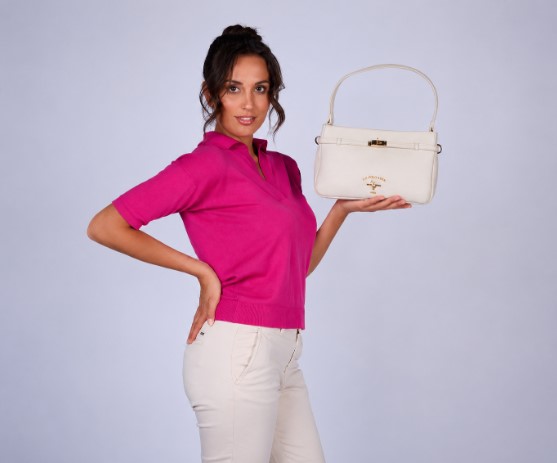
Choosing the right handbag involves more than finding a design that looks attractive. A useful bag should fit your daily routine, carry the items you actually need, and remain comfortable throughout the day. With options ranging from compact crossbody styles to spacious totes and structured shoulder bags, understanding the differences can make shopping much easier.
The market also offers a wide range of materials, colors, shapes, and construction methods. For shoppers comparing handbags for women, the most practical approach is to consider function first and fashion second. Current handbag collections commonly include crossbody, shoulder, tote, hobo, handle, and evening styles, giving shoppers different options for work, casual outings, travel, and special occasions.
What Should You Consider Before Buying a Handbag?
The best handbag depends on how and where you intend to use it. Someone commuting to work may need considerably more space than someone looking for a small bag for evening events.
Start by making a list of the items you normally carry. This might include a smartphone, wallet, keys, sunglasses, cosmetics, water bottle, notebook, or tablet. Once you know what needs to fit inside, you can narrow down suitable sizes and designs.
A bag that looks spacious in a photograph may not have enough usable interior capacity, while an oversized bag can become unnecessarily heavy when filled. Thinking about your everyday essentials before purchasing can prevent both problems.
Which Handbag Size Is Best?
There is no universal ideal handbag size because personal requirements differ.
Small Handbags
Small bags are useful when carrying only essential items such as a phone, cards, keys, and a few personal belongings. They can be particularly suitable for dinners, social events, and occasions when freedom of movement is important.
Medium Handbags
Medium-sized designs offer a balance between capacity and portability. They can accommodate everyday essentials without the bulk associated with larger bags, making them a versatile choice for many routines.
Large Handbags
Large totes and shopping bags provide greater capacity for people who carry notebooks, tablets, cosmetics, water bottles, or other larger items. However, capacity should be balanced against weight and carrying comfort.
The right size is ultimately the one that accommodates your necessities without encouraging unnecessary overpacking.
Which Handbag Style Fits Your Lifestyle?
Different handbag silhouettes serve different purposes.
Crossbody Bags
Crossbody bags distribute the weight across the body and leave both hands relatively free. They can be convenient for shopping, sightseeing, commuting, and casual outings.
Shoulder Bags
Shoulder bags provide easy access while maintaining a classic appearance. They can work for everyday activities and can transition between casual and more polished outfits.
Tote Bags
Totes generally provide an open, spacious interior and are useful for carrying multiple items. Their capacity makes them popular for work, shopping, and everyday use.
Hobo Bags
Hobo bags typically feature a softer shape and curved silhouette. They can offer a relaxed appearance while providing useful everyday storage.
Handle Bags
Handle bags are often carried by hand or the forearm and can create a more structured appearance. Depending on their size and design, they can work for professional or social occasions.
Evening Bags
Smaller evening designs prioritize appearance and portability rather than capacity. They are intended for occasions where only a few personal items are required.
Understanding these categories makes it easier to select handbags for women based on actual usage rather than simply choosing the most visually appealing option.
How Important Is Material?
Material affects a handbag’s appearance, weight, durability, maintenance requirements, and overall feel.
Leather is commonly valued for its durability and ability to develop character over time when properly maintained. Synthetic materials can offer different advantages, including easier cleaning and potentially lower weight or cost. Fabric bags can also be practical for casual use and may provide a softer or more relaxed appearance.
There is no single material that is best for everyone. The decision should depend on how frequently the bag will be used, the environment in which it will be carried, and how much maintenance the owner is willing to provide.
When buying online, read the material description carefully rather than relying only on photographs.
Why Does Organization Matter?
A handbag’s internal organization can be just as important as its exterior design.
Compartments and pockets can help separate frequently used items from valuables or smaller accessories. A dedicated pocket can make it easier to find a phone or keys, while a zipped compartment can provide additional security for cards and other important belongings.
An entirely open interior can provide greater flexibility, but it may also make small objects more difficult to locate.
Think about your personal habits. If you regularly carry many small items, multiple compartments may be beneficial. If you prefer simplicity, an uncluttered interior may be more practical.
How Should You Choose a Color?
Color can determine how easily a handbag works with the rest of your wardrobe.
Neutral shades such as black, brown, beige, gray, and taupe are generally versatile because they can coordinate with many outfits. A stronger color can instead become a statement accessory.
Consider the colors you already wear frequently. A handbag does not need to match every item exactly, but it should complement several outfits if you want to use it regularly.
For someone purchasing a first everyday bag, a versatile neutral shade can provide more styling flexibility than a highly specific seasonal color.
What Should You Check When Shopping Online?
Online shopping requires careful attention to product information.
Review the dimensions, material, closure type, strap configuration, interior compartments, and available product photographs. If you need to carry a particular item, such as a tablet or water bottle, compare its dimensions with the bag’s internal measurements rather than assuming it will fit.
Also check delivery information, return policies, product availability, and care instructions before completing a purchase.
These details are especially useful because appearance alone cannot communicate a handbag’s actual capacity, weight, or construction.
How Can One Handbag Work for Multiple Occasions?
Versatility can make a handbag more useful over time.
A medium-sized crossbody or structured shoulder bag in a neutral shade can often transition between casual outings, work-related activities, shopping, and social occasions. Bags with adjustable or removable straps can provide additional carrying options.
Instead of choosing a handbag solely for one specific outfit, consider how many situations it can accommodate. A versatile design may provide better everyday value than a highly specialized bag that is rarely used.
Conclusion
Choosing handbags for women is ultimately about finding an appropriate balance between style, capacity, comfort, organization, material, and lifestyle. The ideal option should accommodate everyday necessities without becoming unnecessarily heavy or difficult to carry. Shoppers looking for a purse handbag should compare the intended use, dimensions, interior organization, carrying method, and material before making a decision. These factors can have a greater effect on everyday satisfaction than appearance alone. For shoppers exploring handbags in Malta, considering the same practical factors can help narrow down the many available silhouettes and designs. Whether the priority is a compact crossbody, spacious tote, practical shoulder bag, or occasion-specific design, choosing according to actual needs makes it easier to find a handbag that remains useful and comfortable over time.
