
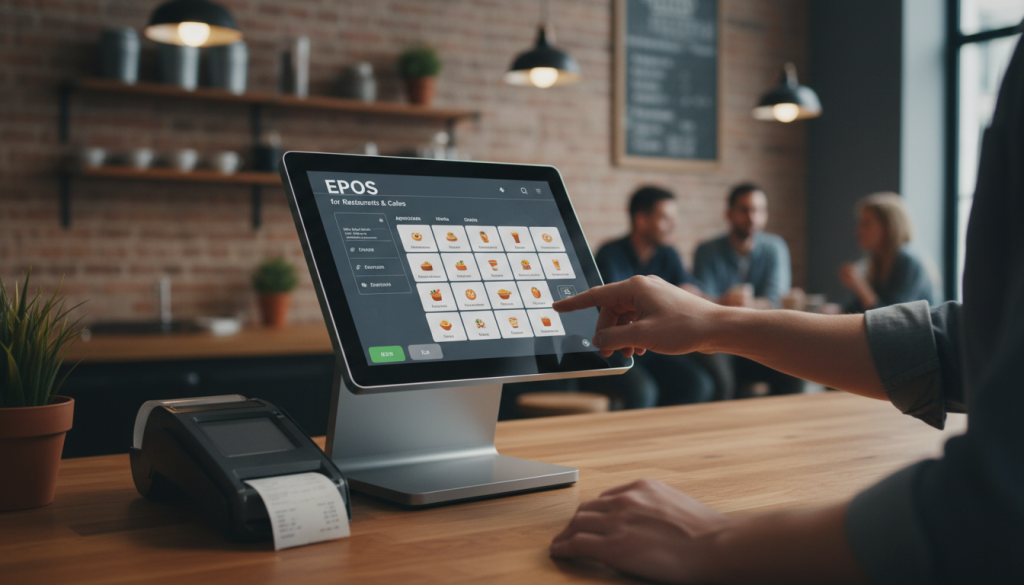
The hospitality industry is built on the foundation of the “human touch.” Whether it is the perfect latte art in a local cafe or the seamless service of a fine-dining establishment, the guest experience is everything. However, behind every successful floor manager and talented chef is a nervous system of technology that keeps the operation running. In the modern era, an EPOS for restaurants & cafes is no longer just a tool for taking payments; it is the central engine for business growth, efficiency, and customer retention.
The Shift from Transactional to Transformational
For years, point-of-sale systems were viewed as a necessary expense—a digital cash drawer. But as consumer expectations have shifted toward speed and personalization, the role of the POS has evolved. Business owners are now looking for integrated EPOS solutions that can handle the complexities of a multi-channel world.
When we talk about “niche” quality in hospitality technology, we are referring to how well a system solves specific problems. In a cafe, that might mean “save for later” tabs or quick-fire modifiers for milk alternatives. In a restaurant, it might mean sophisticated table management and kitchen communication.
Driving Efficiency with Integrated Systems
One of the biggest leaks in a restaurant’s profit margin is “friction”—the time lost between a customer placing an order and the kitchen receiving it. A professional hospitality POS eliminates this friction by creating a direct, real-time link between the front-of-house and the kitchen.
1. Accuracy and Speed
Handwritten notes are prone to error. Digital ordering via an EPOS ensures that dietary requirements and specific modifiers (like “no onions” or “extra shot”) are communicated clearly to the kitchen display system (KDS). This reduces food waste and prevents the awkward “return to table” to clarify an order.
2. Intelligent Inventory Management
Managing stock is one of the most grueling tasks for a cafe owner. Modern EPOS systems provide automated inventory tracking. By deducting ingredients in real-time as items are sold, the system can alert managers when stock levels are low, preventing the dreaded “out of stock” conversation with a guest.
3. Data-Driven Menu Engineering
Do you know which dish is your most profitable? Not just the best-selling, but the one with the highest margin? An EPOS for restaurants & cafes provides detailed reporting that allows owners to perform “Menu Engineering”—highlighting high-margin items and removing the “dead weight” that costs more in prep time than it earns in revenue.
Adapting to the New “Hybrid” Dining Model
The modern diner doesn’t just walk through the front door. They order through apps, book via social media, and expect loyalty rewards to follow them across all platforms.
A high-quality EPOS acts as a unified commerce hub. It integrates online ordering with in-house service so that the kitchen isn’t overwhelmed by two different streams of work. By centralizing these channels, business owners get a holistic view of their performance, ensuring that the brand experience remains consistent whether the customer is dining in or taking away.
The SEO Importance of Quality Content
In the world of digital marketing, “niche edits” are only effective if the surrounding content is genuinely helpful. Search engines now prioritize “Information Gain”—the idea that an article should provide new, useful insights rather than just repeating what is already on the web.
By focusing on the operational reality of running a restaurant, this article serves as a high-authority context for the embedded links. This “human touch” ensures that when search engine crawlers index the page, they recognize the content as expert-led, which in turn passes more “link juice” and authority to the destination site.
Final Thoughts: Investing in Your Future
The hospitality landscape will continue to change, but the need for efficiency and data will remain constant. Upgrading to a modern EPOS for restaurants & cafes is an investment in the longevity of your business. It empowers your staff to focus on the guest, while the technology handles the complexity of the operation.
For those looking to scale, the message is clear: the right technology doesn’t replace the human touch—it gives you the freedom to provide more of it.
